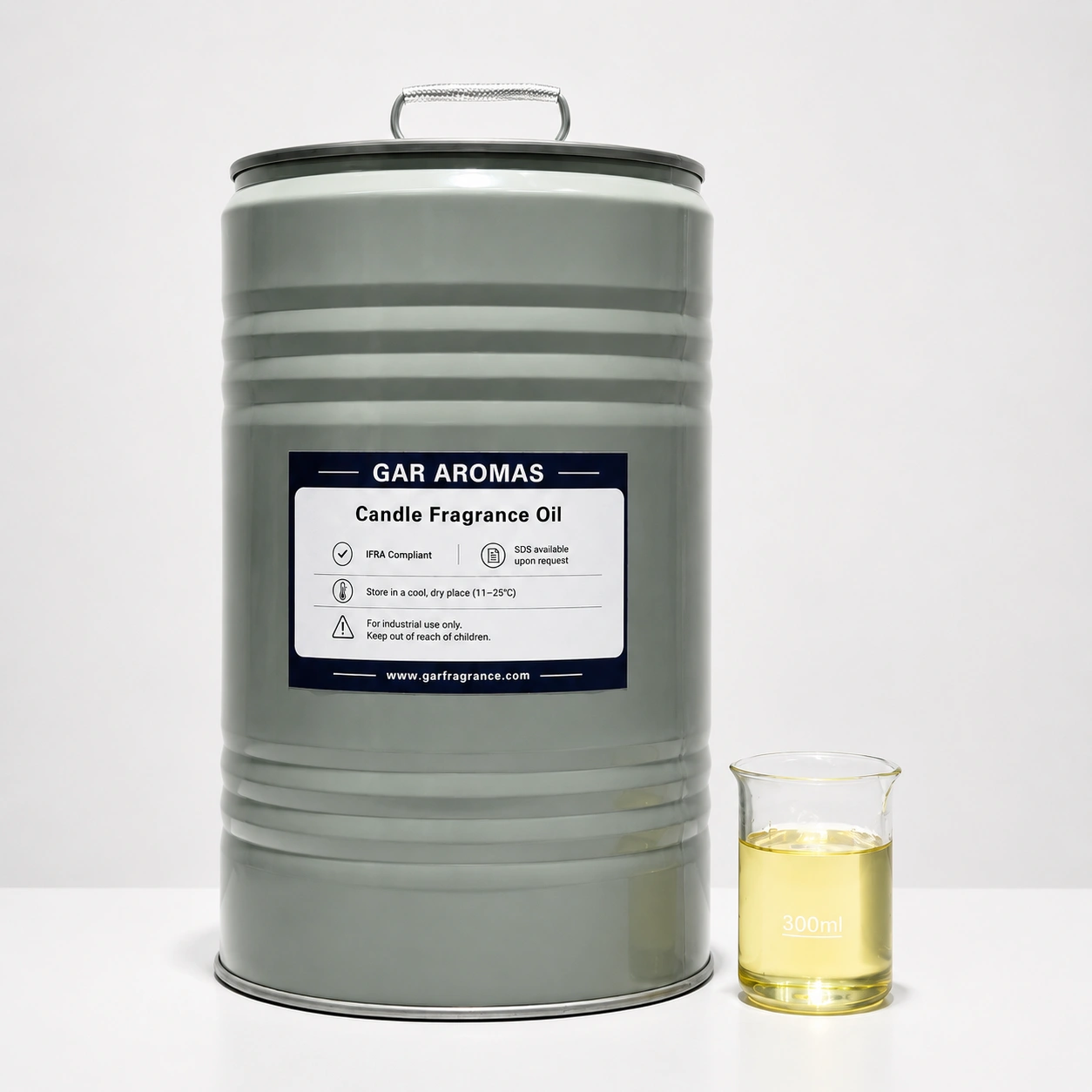
Cold Throw vs Hot Throw in Candle Fragrance Oil: What Candle Brands Should Know
For scented candle brands, candle fragrance oil is one of the most important factors behind the final product experience. A candle may look beautiful, but if the fragrance does not perform well in wax, consumers may feel disappointed.
Many customers ask a common question during candle fragrance development: why does a fragrance oil smell strong in the bottle, but become weak after being added into candle wax? Another common question is: why does a candle smell good before burning, but the scent is not strong enough when it is lit?
These questions are closely related to two key concepts in candle fragrance evaluation: cold throw and hot throw.
A good candle fragrance oil should not only smell attractive in the bottle. It should also work well in the wax system, remain stable after curing, and release a pleasant scent both before and during burning. For candle brands, understanding the difference between cold throw and hot throw can help improve fragrance selection, candle testing, and final product quality.
What Is Cold Throw in Candle Fragrance Oil?
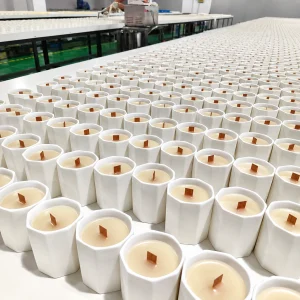
This is the fragrance that consumers notice when they open a candle jar, smell a candle on a retail shelf, or evaluate a candle before purchase. For gift candles, retail candles, and home fragrance collections, cold throw is very important because it creates the first impression of the product.
A strong and pleasant cold throw can make a candle feel attractive even before it is used. It helps consumers understand the scent direction quickly and can influence purchase decisions.
However, cold throw is not the same as hot throw. A candle may smell strong when cold, but this does not always mean it will diffuse well when burning. Cold throw mainly reflects how the fragrance behaves in solid wax at room temperature, while hot throw depends on how the fragrance releases from melted wax during burning.
What Is Hot Throw in Candle Fragrance Oil?
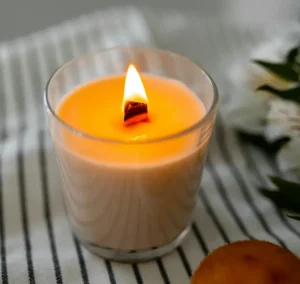
Hot throw refers to the scent released when the candle is burning.
When a candle is lit, the wax near the wick melts and forms a liquid wax pool. The fragrance then evaporates from the melted wax and diffuses into the surrounding space. This is the scent consumers experience during actual use.
Hot throw is very important because it determines whether a candle can fill a room with a pleasant fragrance. For many candle brands, good hot throw is one of the main signs of candle performance.
However, hot throw depends on many factors, including the fragrance oil, wax base, fragrance load, wick selection, candle size, curing time, burning conditions, and room environment. This is why candle fragrance oil must be tested in real candle formulas instead of being judged only by smelling the fragrance bottle.
Why Strong Bottle Scent Does Not Always Mean Good Candle Performance
A fragrance oil may smell very strong in the bottle, but after being added into wax, the final candle may not have the same strength. This is normal in candle development.
Candle wax can hold, slow down, or change the way fragrance materials are released. Some fragrance ingredients may smell powerful in liquid fragrance oil but release poorly from wax. Some materials may perform well in cold wax but become weak during burning. Others may change character when heated.
This is why bottle scent is only the first step of evaluation. It can help confirm the general fragrance direction, but it cannot predict the final candle performance completely.
For candle brands, the real question is not only “Does this fragrance oil smell strong?” but also:
- Does it blend well with the wax?
- Does it have good cold throw after curing?
- Does it have good hot throw during burning?
- Does the scent remain balanced when heated?
- Does the candle burn normally?
- Does the fragrance affect color or stability?
Only real wax testing can answer these questions.
How Different Wax Bases Affect Cold Throw and Hot Throw
Different wax bases can affect fragrance performance in different ways.
Soy wax, paraffin wax, coconut wax, beeswax, and wax blends do not absorb and release fragrance in exactly the same way. A fragrance oil that performs well in one wax may not perform the same in another wax.
Soy wax is widely used in natural-style and private label candle projects. It can provide a clean and soft candle image, but some fragrances may need careful testing to achieve strong hot throw.
Paraffin wax often gives good fragrance diffusion and can support strong scent throw, but the final performance still depends on fragrance compatibility, wick selection, and formula design.
Coconut wax and wax blends are often used in premium candle products. They may provide a smooth appearance and soft burning profile, but each blend can behave differently with fragrance oil.
Beeswax has its own natural odor and character, so fragrance selection may need additional testing to avoid conflict between the wax base and fragrance direction.
Because wax systems are different, candle fragrance oil should always be tested in the customer’s actual wax base before bulk production.
Fragrance Load Is Important, But Not the Only Factor
Fragrance load means the percentage of fragrance oil added into the candle wax.
Many candle makers may think that increasing the fragrance load will always improve cold throw and hot throw. In reality, this is not always true.
If the fragrance load is too low, the candle may smell weak. But if the fragrance load is too high, the wax may not hold the fragrance properly. This can lead to sweating, oil leakage, poor surface appearance, unstable burning, excessive smoke, or a heavy and unbalanced scent.
A higher fragrance load does not automatically mean better fragrance performance. The best dosage depends on the wax type, fragrance composition, wick system, candle size, and the target scent strength.
For this reason, candle brands should not only ask for a “strong fragrance oil.” They should also test the right fragrance dosage in the real candle formula.
Why Candle Fragrance Must Be Tested in Real Wax
Candle fragrance oil should always be evaluated in the actual wax system.
A practical candle test usually includes cold throw evaluation, hot throw evaluation, burning test, appearance observation, color stability, and storage stability. The candle should be checked after curing, during burning, and after storage.
Cold throw should be evaluated after the candle has fully cured, because fragrance performance can change during the curing period. Hot throw should be tested during actual burning, after the wax pool has formed and the candle has been burning under normal use conditions.
In addition to cold throw and hot throw, candle brands should also pay attention to color stability. Some fragrance oils may interact with wax, dyes, light, oxygen, heat, or storage conditions and lead to yellowing, darkening, or uneven discoloration over time. For more details, you can also read our article Why Do Scented Candles Change Color?
Testing fragrance oil in real wax helps candle brands avoid problems before bulk production and select fragrance directions with better overall performance.
Common Reasons for Weak Hot Throw
Weak hot throw can happen for many reasons.
Sometimes the fragrance itself is not suitable for candle use. Some fragrance materials are beautiful in perfume or air care products, but they may not release well from wax during burning.
Sometimes the wax base holds the fragrance too tightly, making it difficult for the scent to diffuse into the air. In other cases, the fragrance load may not be suitable, or the wick may not create the right melt pool temperature and size.
Curing time can also affect performance. Some candles need enough time for the fragrance to bind and settle properly in the wax. If the candle is tested too early, the result may not represent the final product.
Burning conditions are also important. A candle tested in a very large or highly ventilated room may seem weaker than the same candle tested in a smaller space.
This is why hot throw should be evaluated as part of the full candle system, not only as a fragrance oil issue.
Popular Fragrance Directions for Premium Candles
Premium candle brands often look for fragrances that create atmosphere, emotion, and brand identity.
Popular candle fragrance directions include woody, amber, sandalwood, vanilla, fig, citrus, lavender, white tea, green tea, floral woody, clean musk, gourmand, incense, soft leather, and perfume-inspired profiles.
For home fragrance collections, the fragrance should not be too sharp or uncomfortable when used indoors. A good candle fragrance should feel pleasant in the jar, balanced in wax, and comfortable during burning.
Perfume-inspired candle fragrance oil is also becoming popular in premium candle collections. These fragrances often have a more layered structure, with a clear opening, a refined heart, and a warm or musky dry down. However, perfume-inspired does not mean the fragrance can be used in candles without adjustment. The fragrance still needs to be tested for wax compatibility, cold throw, hot throw, color stability, and burning performance.
How Should Candle Brands Choose the Right Fragrance Oil?
Before selecting a candle fragrance oil, candle brands should first define the product concept.
Is the candle designed for home fragrance, gift sets, hotel amenities, spa collections, seasonal products, or luxury private label projects? What wax base will be used? What fragrance load is planned? What type of wick will be used? Does the brand need a strong hot throw, a soft room scent, or a premium perfume-like candle experience?
A clear project brief helps the fragrance supplier recommend more suitable samples.
For candle fragrance oil selection, brands should evaluate:
- Fragrance direction
- Wax compatibility
- Cold throw after curing
- Hot throw during burning
- Recommended fragrance load
- Color stability
- Burning performance
- Storage stability
- Technical documents such as SDS, IFRA, COA, and allergen information
The right candle fragrance oil should match both the brand concept and the technical requirements of the candle formula.
How Gar Aromas® Supports Candle Fragrance Oil Development
Gar Aromas® supports scented candle brands, home fragrance manufacturers, private label projects, and OEM/ODM candle factories with candle fragrance oil selection and development.
We can recommend existing fragrance directions or develop customized candle fragrances according to the customer’s wax base, product concept, target scent strength, price range, and testing feedback.
Our candle fragrance directions include fresh floral, fruity, woody, amber, vanilla, sandalwood, gourmand, clean musk, white tea, green tea, seasonal scents, and perfume-inspired candle fragrance profiles.
For candle projects, we focus not only on how the fragrance smells in the bottle, but also on wax compatibility, cold throw, hot throw, color stability, and overall performance in the finished candle.
If you are developing scented candles, wax melts, gift candles, or private label candle collections, contact Gar Aromas® to request candle fragrance oil samples or discuss a custom candle fragrance project.