Includes woody, floral, citrus, amber, and fresh fragrance directions

Perfume Fragrance Concentrates by Olfactive Direction for Fine Fragrance Development

Explore perfume fragrance concentrates categorized by olfactive direction to support fragrance development and perfume concept creation.

Fragrance classification based on professional olfactive families

Includes woody, floral, citrus, amber, and fresh fragrance directions

Supports fragrance concept planning and perfume collection design

Helps brands define scent positioning and fragrance identity

Suitable for niche perfume development and OEM fragrance projects

Products Categories
Get A Free Quote
Contact Form

Fragrance Families and Olfactive Directions in Perfume Development

Olfactive direction classification is widely used in professional perfumery to organize fragrance compositions based on their dominant scent character.

Understanding fragrance families helps perfume developers define the overall mood and identity of a fragrance before beginning the formulation process.

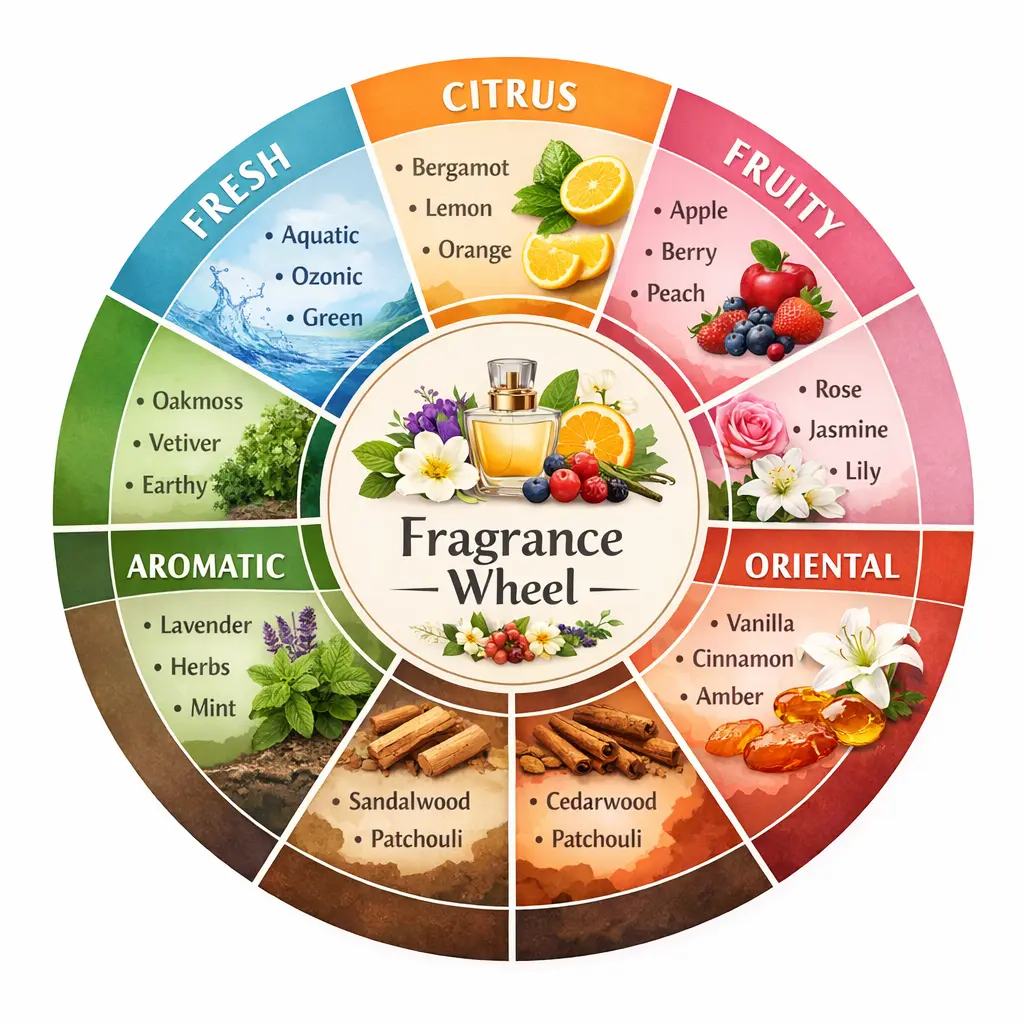
Common olfactive directions include woody, floral, citrus, amber, spicy, and fresh fragrance families. Each direction represents a distinct sensory experience and can serve as the foundation for a perfume concept.

At Gar Aromas, fragrance concentrates can be developed across multiple olfactive families to support perfume brands and fragrance designers in building cohesive fragrance collections.

This classification approach helps brands structure their perfume portfolios while maintaining clear scent positioning across different products.

Typical Fragrance Families Used in Perfume Development

• Citrus Fragrances – Fresh, energetic, and vibrant scent profiles commonly used in daytime perfumes.

• Floral Fragrances – Classic perfume structures built around rose, jasmine, lily, and other floral notes.

• Woody Fragrances – Warm, elegant compositions featuring sandalwood, cedarwood, and vetiver.

• Amber Fragrances – Rich and sensual fragrances often used in evening perfumes.

• Fresh Fragrances – Clean and airy compositions inspired by aquatic or green notes.


Fragrance Direction Overview

Parameter Description
Classification Type Olfactive Direction
Application Fine Fragrance
Fragrance Families Woody / Floral / Citrus / Amber / Fresh
Development Use Fragrance concept planning
Customization Available
Compatibility EDP / EDT / Extrait
Supply Bulk fragrance concentrates

Explore Fragrance Directions

Discover different fragrance families and discuss custom fragrance development for your perfume projects.

Fragrance Direction Applications

Olfactive classification is commonly used in fragrance development and perfume collection design.

Typical applications include:

• Perfume concept planning
• Fragrance portfolio structuring
• Niche fragrance brand collections
• Private label perfume design
• Market-oriented fragrance development

Q1 What are olfactive directions in perfumery?
Olfactive directions categorize fragrances based on their dominant scent characteristics, such as woody, floral, citrus, or amber.
Fragrance families help organize perfume collections and guide fragrance development based on sensory positioning.
Yes. Many perfumes combine several fragrance families to create complex scent structures.

Related Products

Related News

Scroll to Top

Get A Free Quote Now !

Contact Form
If you have any questions, please do not hesitate to contact us.