Learn what makes a fragrance long-lasting from a professional perfumer’s perspective. Discover how ingredients, formulation, and application affect fragrance longevity.
What Makes a Long-Lasting Fragrance? The Science Behind Fragrance Longevity
One of the most common questions I receive from clients is:
“Why does this fragrance fade so quickly?”
Sometimes, the scent smells strong in the bottle.
But once applied — on skin, on fabric, or in a product — it disappears much faster than expected.
In other cases, clients compare two fragrances:
- One lasts all day
- The other fades within an hour
And the assumption is often:
👉 “The stronger one must be better.”
But in perfumery, fragrance longevity is not only about strength.
It is about how the fragrance is built, how it evaporates, and how it interacts with the application system.
Why Some Fragrances Fade Quickly
Volatility of Fragrance Molecules
Every fragrance ingredient has its own evaporation speed, also known as volatility.
- Light molecules evaporate quickly
- Heavy molecules evaporate slowly
For example:
- Citrus notes (like lemon or bergamot) fade quickly
- Woody or musky notes last much longer
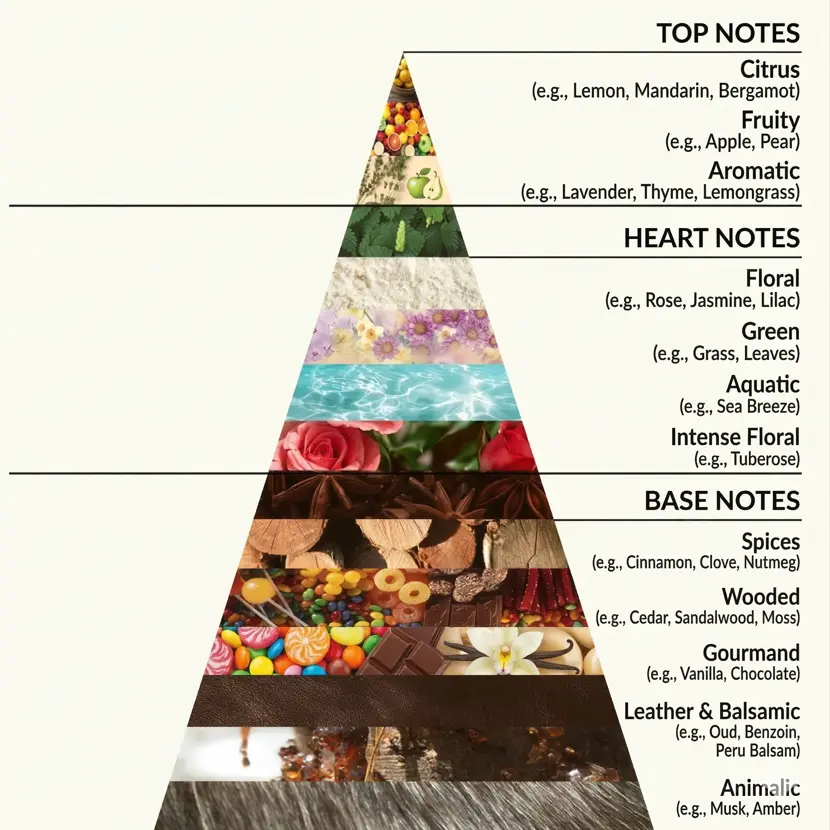
This is directly related to the structure of
👉 top, middle, and base notes
If a fragrance is built with too many light components and not enough base materials:
👉 It will smell good initially, but disappear quickly
Key Ingredients That Improve Fragrance Longevity
The Role of Base Notes and Fixatives
From a perfumer’s perspective, longevity is largely controlled by:
- Base notes
- Fixatives
Common long-lasting materials include:
- Amber
- Musk
- Patchouli
- Sandalwood
- Resinous notes
These ingredients:
- Evaporate slowly
- Help anchor lighter notes
- Extend the overall scent profile
In professional formulation, we often adjust the balance between freshness and longevity.
👉 Too much base → fragrance feels heavy
👉 Too little base → fragrance disappears quickly
Application Matters More Than You Think
Fragrance Longevity Is Not the Same Across Products
One key misunderstanding is assuming that fragrance performance is universal.
In reality, longevity varies depending on the application:
1. Skin (Perfume)
- Affected by skin type, temperature, and humidity
2. Fabric (Laundry Products)
- Influenced by washing process, surfactants, and drying
3. Candles / Home Fragrance
- Depends on wax system, burn temperature, and diffusion
This is why a fragrance that performs well in a perfume may not work in a detergent — and vice versa.
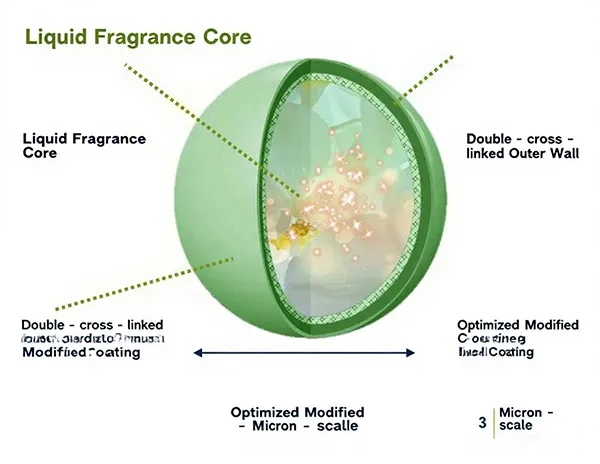
👉 This is also where technologies like microencapsulation become important
How Perfumers Design Long-Lasting Fragrances
Balancing Structure, Ingredients and Performance
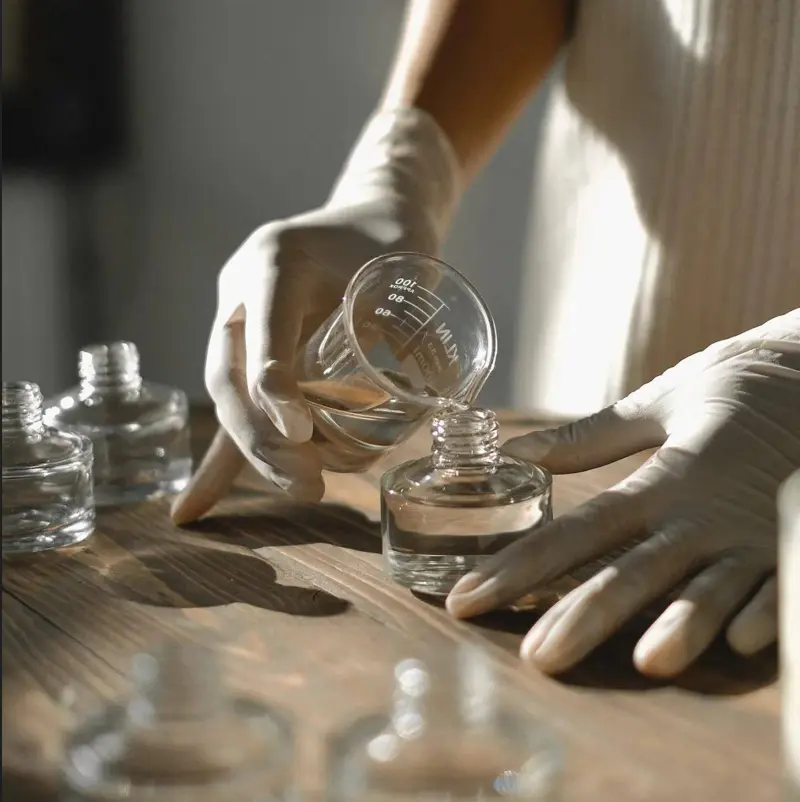
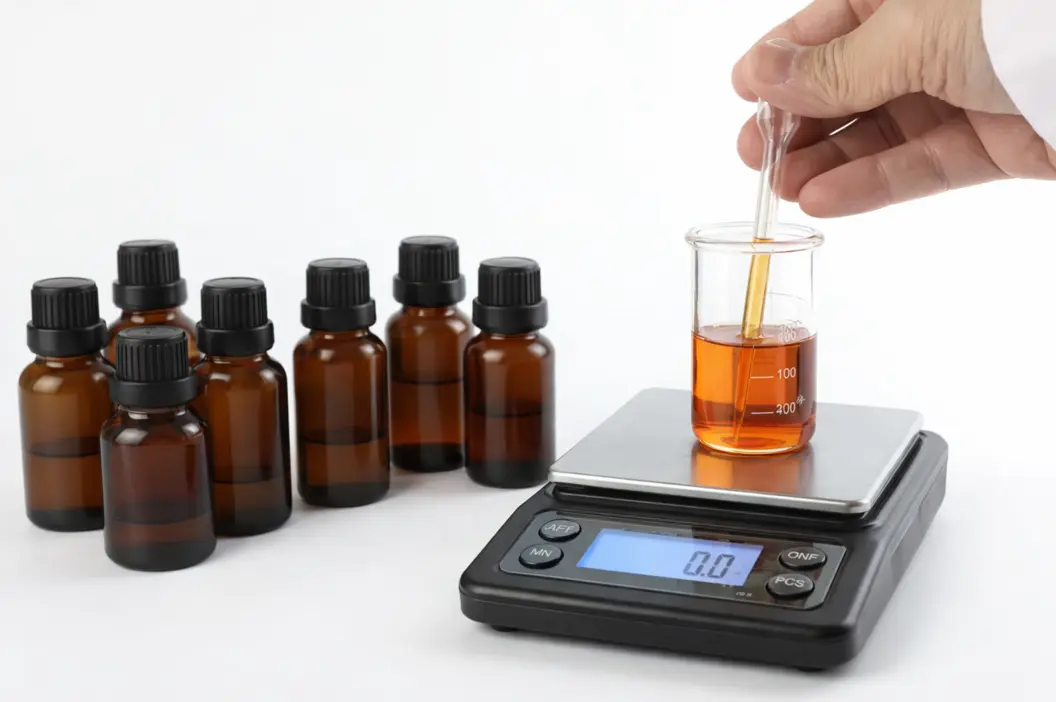
When developing a long-lasting fragrance, we do not simply “add stronger materials.”
Instead, we carefully design:
1. Fragrance structure
- Balanced top, heart, and base
2. Ingredient selection
- Combining volatile and non-volatile materials
3. Compatibility with the final product
- Alcohol-based systems
- Surfactant systems
- Wax-based systems
In many projects, improving longevity requires adjusting the formula based on the application, not just changing raw materials.
Common Mistakes When Evaluating Fragrance Longevity
Why “Strong Smell” Does Not Equal Long-Lasting
Many clients evaluate fragrance by:
👉 Smelling directly from the bottle
But this can be misleading.
A fragrance can:
- Smell strong initially
- But still fade quickly after application
Another common mistake:
👉 Evaluating fragrance too early
A proper evaluation should consider:
- 0–15 minutes (top notes)
- 30–60 minutes (heart notes)
- Several hours later (base notes)
Only then can you understand the true performance of the fragrance.
How to Improve Fragrance Longevity in Product Development
Practical Strategies Used in Industry
Based on real formulation experience, there are several ways to improve longevity:
1. Adjust fragrance structure
- Increase base note components
2. Use encapsulated fragrance technology
- Especially for laundry and fabric care
3. Optimize dosage level
- But avoid overloading, which may cause instability
4. Match fragrance with the right system
- Alcohol vs oil vs water-based
5. Conduct stability and performance testing
👉 Longevity is not solved by one factor — it is a combination of formulation and application.
Fragrance longevity is one of the most important — and most misunderstood — aspects of fragrance development.
A long-lasting fragrance is not simply stronger.
It is carefully designed through:
- Ingredient selection
- Structural balance
- Application compatibility
Whether you are developing:
- Fine fragrance
- Laundry products
- Home fragrance
Understanding how longevity works can significantly improve product performance.
👉 If you are facing challenges with fragrance performance or longevity, our perfumer team can support customized fragrance development based on your specific application.