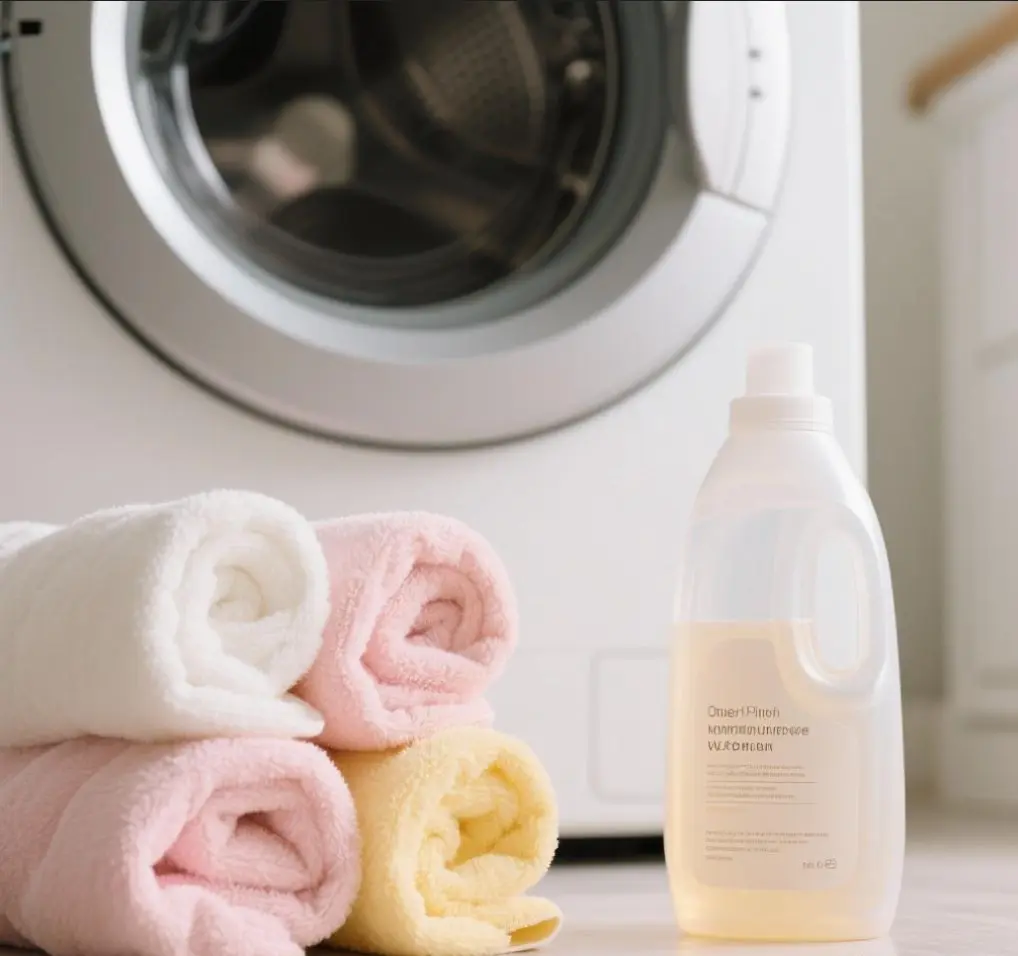

Luxury Fabric Softener Fragrance – for Softeners & Laundry Conditioners
Elevate your fabric softeners with GAR Aromas’ premium, long-lasting fragrance oils. Designed for B2B brands in the home care segment.
✅ Rich & Long-Lasting Scent – Delivers a luxurious fragrance that stays on fabrics
✅ Enhances User Perception – Boosts the feeling of softness and freshness
✅ OEM & Private Label Friendly – Available for B2B customization and bulk supply
✅ IFRA & HALAL Certified – Safe for global distribution and diverse consumers
✅ Versatile Applications – Suitable for liquid softeners, dryer sheets, and more
Fabric Softener Fragrance Description
How to Choose the Right Fragrance for Your Laundry Softener: A Guide for Manufacturers
Why Fragrance Selection Matters for Laundry Softeners
-
Differentiates your brand in a crowded market (e.g., floral, woody, fresh linen, or niche aromatherapy scents). -
Supports functional claims (e.g., “relaxing lavender” for stress relief or “citrus” for a clean, energizing feel). -
Ensures technical compatibility with softener formulas (avoiding issues like discoloration, separation, or reduced efficacy).
Key Factors to Consider When Choosing Fragrances for Laundry Softeners
1. Compatibility with Softener Formulas
-
Opt for cationic-compatible fragrances: Many essential oils and synthetic aroma compounds can destabilize emulsions or reduce the softening effect if they react with cationic agents. Work with suppliers who specialize in fragrances formulated for cationic systems (often labeled “softener-grade” or “cationic-stable”). -
Test for stability: Ensure the fragrance doesn’t cause phase separation, discoloration, or precipitation during storage (especially under varying temperatures). A stable fragrance maintains its scent profile and performance over the product’s shelf life (typically 1–3 years).
2. Scent Longevity (Substantivity) on Fabrics
-
Base notes dominate: Fragrances with strong base notes (e.g., sandalwood, musk, vanilla, or amber) linger longer on fabrics. Middle and top notes (e.g., citrus, floral) can add initial freshness but may fade quickly. -
Synthetic fixatives: Ingredients like ambroxan, iso e super, or galaxolide (a musk note) enhance scent longevity without compromising safety. Ask your supplier about fragrance formulations with built-in fixatives.
3. Consumer Preferences & Market Trends
-
Global bestsellers: Fresh linen, soft cotton, and “clean breeze” scents are universally popular for their association with cleanliness and comfort. -
Regional favorites: -
Asia (China, Japan, Korea): Light floral (jasmine, sakura), powdery musk, or green tea notes appeal to preferences for subtlety and elegance. -
Europe: Woody (sandalwood, cedarwood), fresh aquatic, or herbal (lavender, rosemary) scents are favored for their natural, relaxing vibes. -
North America: Citrus (bergamot, lemon), warm vanilla, or “laundry day” fresh scents (clean cotton, linen) dominate.
-
-
Niche trends: Eco-conscious consumers seek natural/organic fragrances (derived from plant extracts) or aromatherapy blends (lavender for relaxation, citrus for energy). Highlighting these claims can boost premium positioning.
4. Safety & Regulatory Compliance
-
IFRA compliance: Ensure the fragrance adheres to the International Fragrance Association (IFRA) guidelines, which regulate the use of potential allergens (e.g., limonene, linalool). Provide clear IFRA certificates to clients. -
Regulatory alignment: Meet local regulations (e.g., EU Cosmetics Regulation, China’s GB standards, or FDA requirements in the U.S.) for fragrance ingredients in household products.
5. Cost-Effectiveness & Scalability
-
Economical options: Synthetic aroma compounds (e.g., linalyl acetate for floral notes) offer consistent quality at lower costs, ideal for mass-market softeners. -
Premium blends: Natural extracts or exclusive compositions (e.g., bespoke fragrances for high-end brands) justify higher price points but require careful sourcing and testing.
How to Collaborate with Fragrance Suppliers for Optimal Results
-
Specialize in home care fragrances: They understand the unique challenges of cationic systems and fabric deposition. -
Offer customization: Ability to develop tailored scents based on your brand’s theme (e.g., “ocean fresh” for a beach-inspired line or “baby soft” for gentle formulas). -
Provide technical support: From stability testing to recommended dosage (typically 0.5%–2% of the softener formula), a reliable supplier will guide you through formulation adjustments. -
Supply in bulk with consistency: Ensure the fragrance’s scent profile remains uniform across batches to maintain product quality.
Final Tips for Laundry Softener Manufacturers
-
Start with small-scale trials: Test the fragrance in your actual softener formula under different storage conditions (heat, humidity) to evaluate stability and substantivity. -
Gather consumer feedback: Conduct focus groups or surveys to validate scent preferences and perceived effectiveness. -
Highlight unique selling points (USPs): Whether it’s “24-hour long-lasting freshness,” “dermatologist-tested mildness,” or “natural plant-based fragrance,” communicate the fragrance’s benefits clearly on packaging.
Get a Free Sample of Your Custom Fragrance
Related Products
Related News
Why Vietnam Is a Key Market for Fabric Softener Fragrance Development Vietnam has emerged as one of the most dynamic […]
Thailand has long been the trendsetter for the Southeast Asian fabric care market. Currently valued at US$402 million with a […]
A Systematic Approach from Fragrance Innovation to Production Control to Solve Scent Fading For laundry detergent brands, long-lasting fragrance has […]